
Training Your Puppy - When should you start?
It’s one of the most common questions new puppy owners ask:
“When should I start training my puppy?”
The short answer...
But that training your puppy might not be what you think.
When we brought home our first dog, Magik, we were so eager to get everything right. We’d read every book, joined multiple puppy classes, and had a plan for every possible scenario. Training started immediately and I mean immediately.
We were determined to raise the perfect dog. But honestly, that made it hard to just enjoy having a puppy. Everything felt a little anxiety-inducing:
Are we doing enough? Are we messing her up?
Magik was a serious pup not much of the goofy, clumsy phase people talk about. And sometimes I wonder if that was just her personality, or if our intensity had something to do with it.
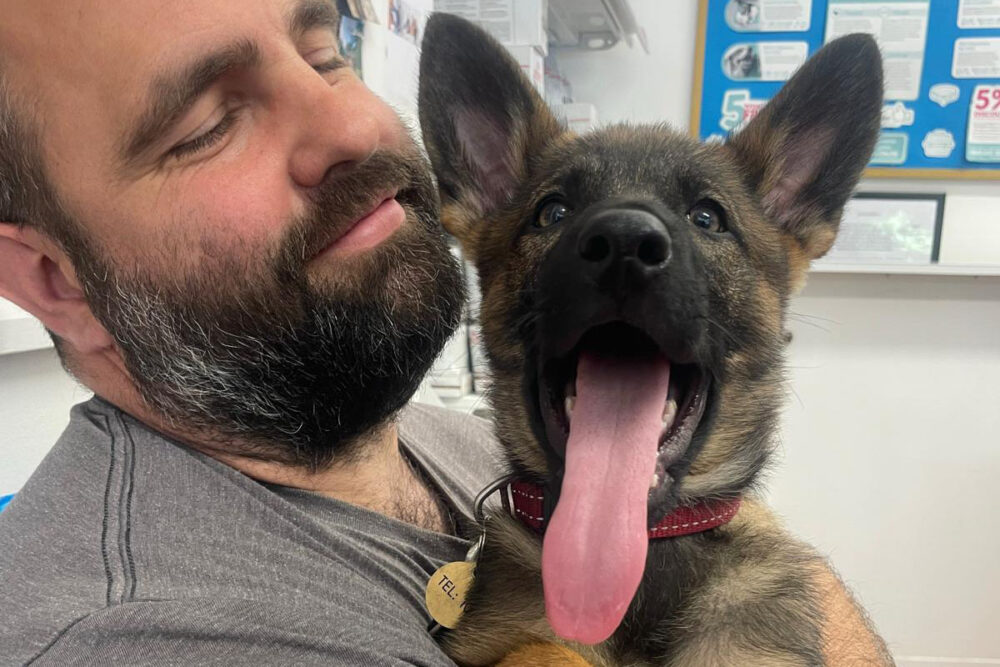
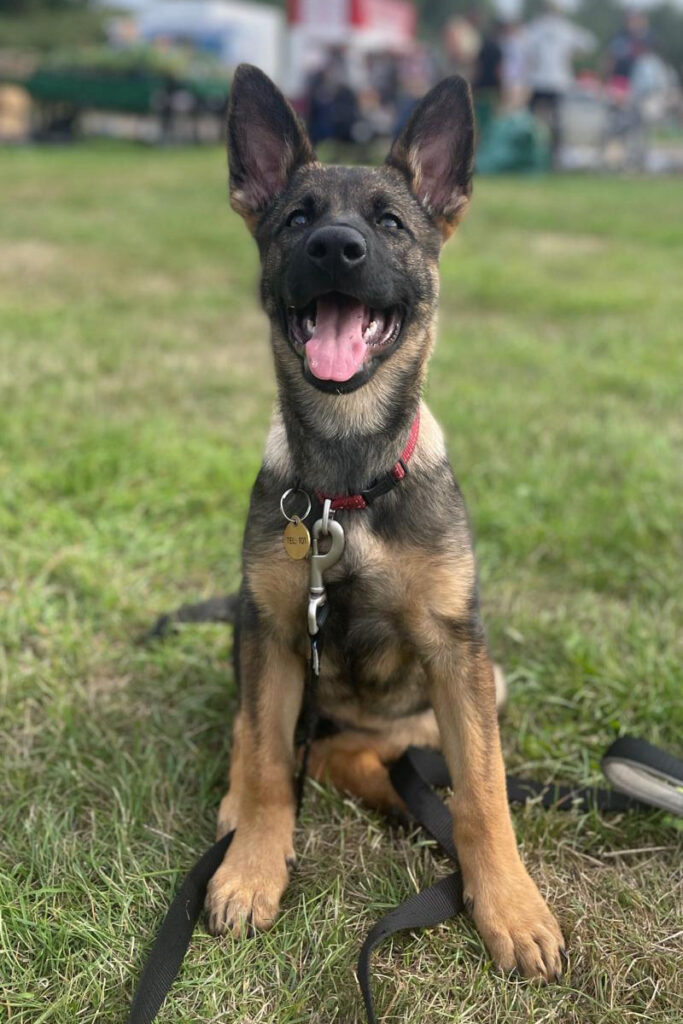
Fast forward a few years, and I’m now raising Leia, a German Shepherd puppy for the Surrey/Sussex Police. The approach couldn’t have been more different. We were given a simple handbook and a few key focuses, but mostly an emphasis on socialisation and exposure.
So we slowed down.
We let her be a puppy.
And as a result, she’s silly, bouncy, curious, everything a puppy should be.
Now that she’s six months old, you can see her brain is ready to do more and her training can really start to entail more complex things.
That experience taught me something big:
You start training straight away but you don’t need to teach everything, all at once
Rethinking What “Training Your Puppy” Means
When people think of training their puppy, they picture sit, down, and stay. But real training begins long before that. It’s every experience your puppy has, and how they perceive the world around them.
In those first 24–48 hours, training looks like:
- Tossing food into the crate so it becomes a happy, safe place
- Comforting your puppy when they’re unsure (even at 3 a.m. that’s trust training)
- Taking them out regularly so toileting outside becomes a habit
- Using part of their food to practise following your hand (luring)
- Playing name games, this will be your foundation for everything
Learning is happening constantly, even when you’re not doing “exercises.”
Training Your Puppy
What I Learned from Magik
With Magik, I was desperate to do things perfectly. Every interaction became a mini training session, and I spent a lot of time worrying.
She excelled in puppy class, I was so proud but looking back, I realise I missed some of the fun by taking it all so seriously.
If I could do it over again, I’d spend less time drilling cues and more time building:
- Confidence in new environments
- Engagement and recall through play
- Calmness and relaxation around the house
Those are the foundations that make everything else easier later.
What I Learned from Leia
Leia’s early months were lighter and more joyful. We focused on experiences and play.
She’s grown into a confident, resilient puppy, still silly, still curious, but steady and brave when she needs to be.
If Magik taught me structure, Leia taught me balance.
What Early Puppy Training Should Look Like
Start training straight away but focus on shaping habits, and enjoy the journey. Puppies are fun!
Here’s what to prioritise in the first few weeks:
- Crate = good things (feed, rest, play nearby)
- Toilet training — regular outdoor trips and calm praise
- Name games — call, reward, celebrate
- Recall foundations — reward every time they move toward you
- Play — build trust, confidence, and connection
- Settling — reinforce calm moments, even short ones
You’re teaching life skills and confidence the obedience can wait until their brain’s ready.
Common Misconceptions about Training Your Puppy
Most people don’t have the timing wrong; they just have the focus wrong.
Don’t ever think you’ve missed the boat. Yes, there are plenty of foundations you’ll want to cover before your puppy is 16 weeks, but those are mostly about exposure. Everything else should remind you; it’s never too late to start.
Dogs are learning all the time through every experience and every consequence. That means the training begins the moment they walk through your door, whether you plan it or not.
Make sure you’re part of that learning, and talk with your family early and agree on the puppy “house rules.”
And my last tip: You’ll get far more out of limiting your puppy’s freedom in those first six months. Use crates, pens, and house lines to set them up for success, and save your sanity, puppies are hard work, this will make life easier for both of you, I promise!
Key Takeaways for New Puppy Owners
- Training starts the day you bring your puppy home.
- Focus on bonding, confidence, and calmness, not sit or stay.
- Make the crate, you, and the world around them fun and safe.
- You haven’t missed the window, it’s never too late to start.
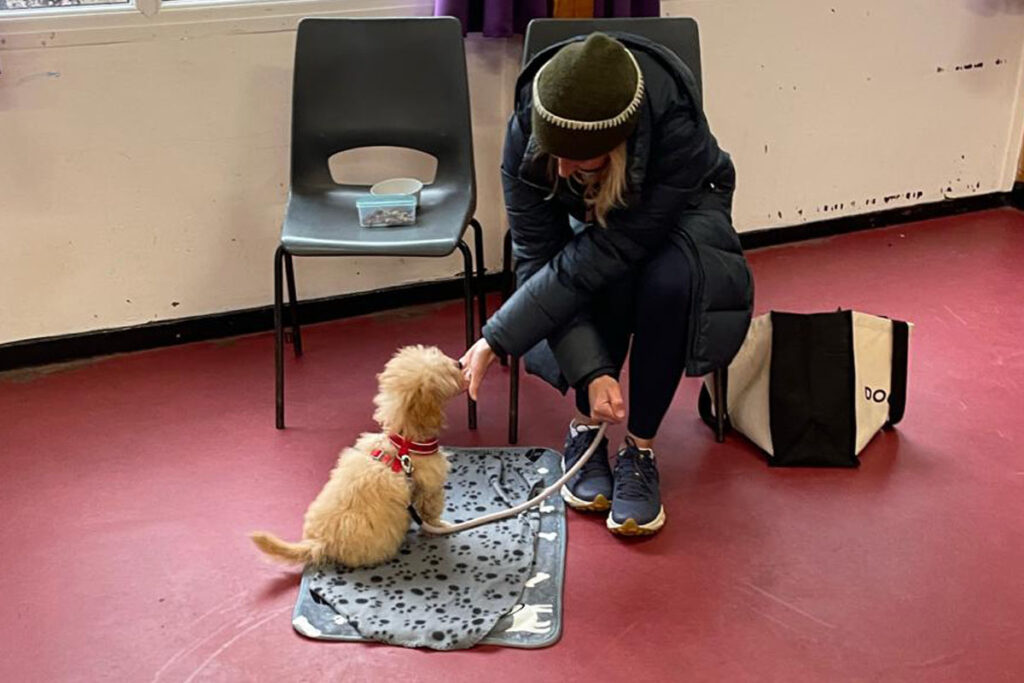
Start training right away, but focus on fun and friendship. The sits and stays will come. The bond can’t wait.
Happy Training,
Lisa // Nimbus Dogs
Want to find out more about training your puppy?
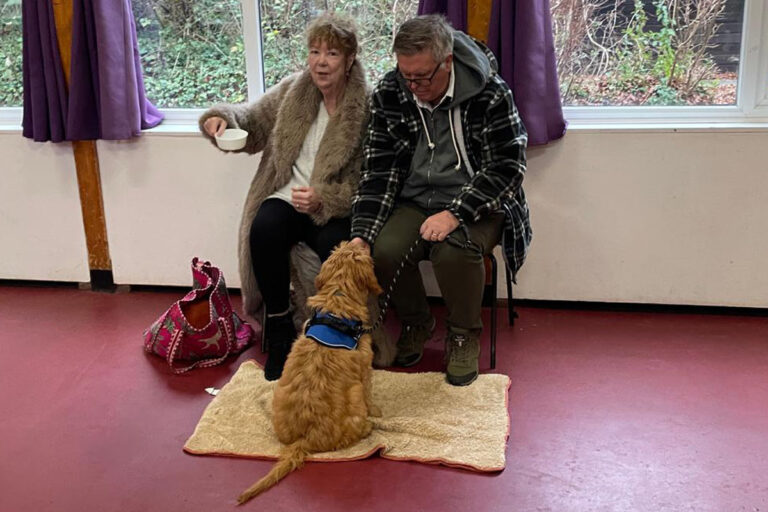
Looking for Puppy Training Classes?
Want to find out more about puppy training?