The Best Dog Training Treats
If you’ve ever found yourself standing in the middle of a busy park, desperately calling your dog while they remain glued to a fascinating smell, you’re not alone. Many owners of adolescent dogs struggle to keep their dog’s attention when distractions are high. One of the simplest and often overlooked solutions is rethinking the treats you use.
As a professional dog trainer working with distracted and energetic dogs daily, here’s my guide to choosing the best training treats to cut through the chaos.
Why the Choice of Dog Training Treats Matters
Food is a primary reinforcer for most dogs, meaning it’s naturally rewarding. But not all food is equally motivating. When your dog is choosing between a stale kibble and the smell of a fox, the fox will win every time.
Think about your own life: would you work harder for a plain rice cake or your favourite pastry? Dogs are no different.
Key Qualities of Effective Dog Training Treats
High Value
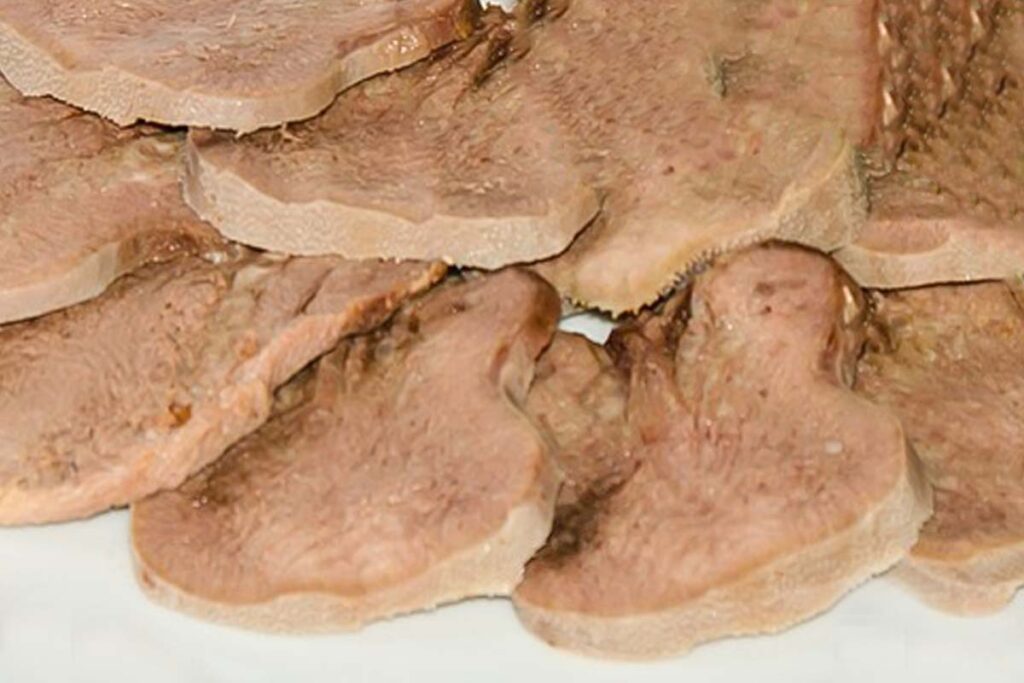
High-value treats are irresistible. These are treats your dog rarely gets in daily life, making them extra exciting. Examples include:
- Tiny pieces of cooked chicken, turkey, or beef
- Sausage slices
- Cheese (if your dog tolerates dairy)
- Liver treats or liver cake
Always consider your dog’s dietary needs and cut treats into small pea-sized pieces to avoid overfeeding. However large cut treats have a place in training too, you just need to know when to use them.
Soft and Quick to Eat
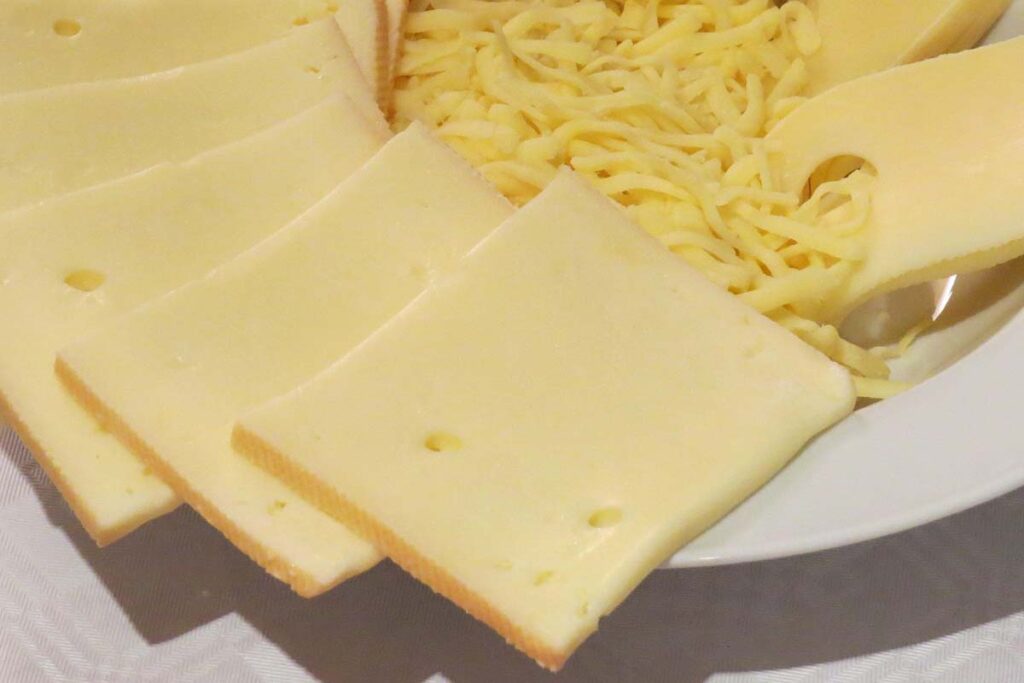
When training, especially for focus and recall, treats should be quick to chew and swallow. Hard, crunchy treats take time to eat, slowing down your session and giving your dog more time to become distracted again.
Look for treats that:
- Are soft enough to swallow quickly
- Don’t crumble in your hand or pocket
- Can be broken into smaller pieces without disintegrating
Smelly
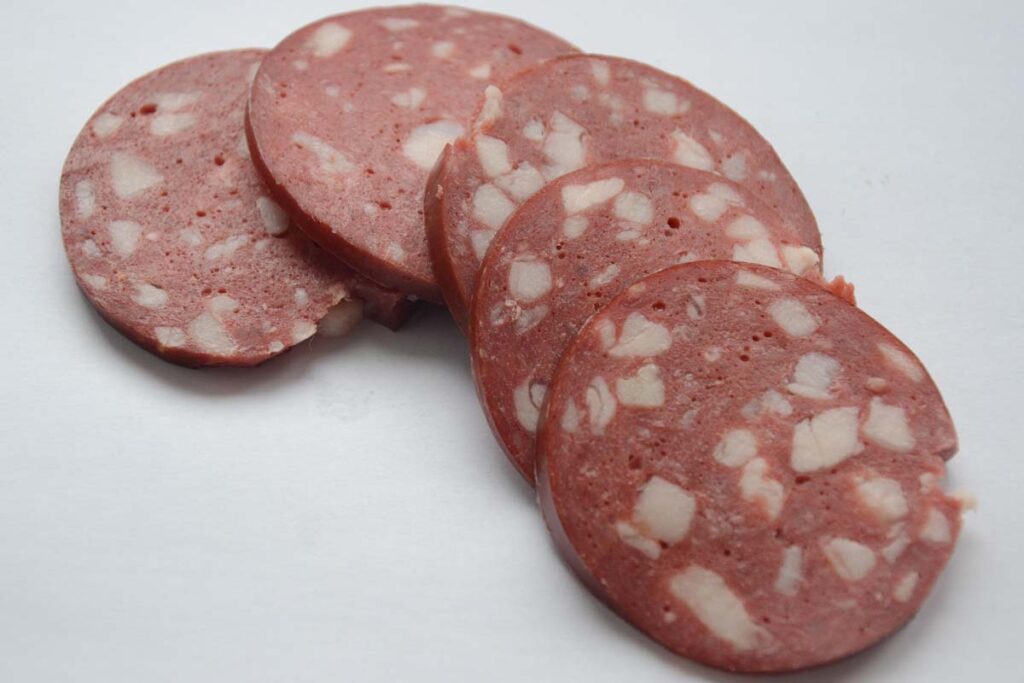
Strong smells make treats more enticing. This is particularly important in outdoor environments where you’re competing with a world of interesting scents. Choose treats that have a potent smell, like fish-based training treats, cooked meats, or air-dried liver.
Variety
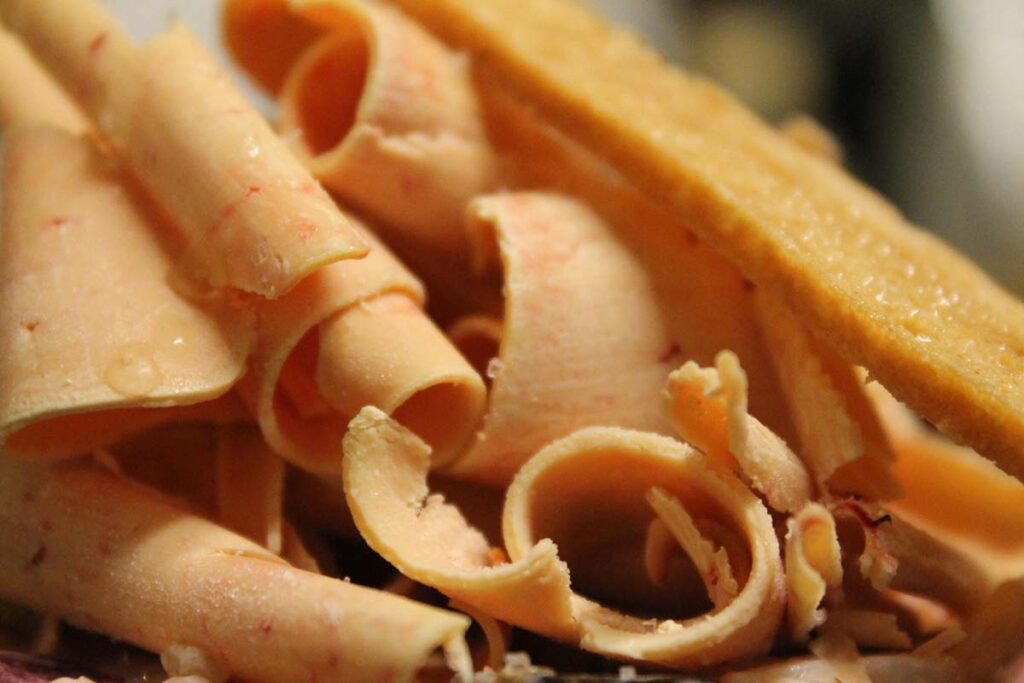
Some dogs become bored if you use the same treat repeatedly. Using a ‘treat trail mix’ with 2-3 different high-value options keeps your dog guessing and engaged.
Try mixing:
- Tiny chicken pieces
- Fish treats
- Small bits of cheese
This approach also helps you identify your dog’s absolute favourites.
Best Types of Dog Training Treats for Distracted Dogs
Here are some tried and tested options:
- Cooked Meat: Chicken, turkey, beef, or lamb cut into tiny pieces
- Low-Salt Sausage: Such as cocktail sausages, cut small
- Cheese: Mild cheddar or mozzarella, if tolerated
- Air-Dried Fish Skins or Training Bites: Highly smelly and motivating
- Commercial Soft Training Treats: Brands like JR Pure Pate (easy to chop small) or Pet Munchies Training Treats
- Liver Cake: Homemade or store-bought, soft and pungent
Always check ingredients if buying commercial treats to avoid additives or fillers that may upset your dog’s stomach.
When to Use What
- Everyday Training at Home: Kibble or lower-value treats mixed with small pieces of high-value treats to maintain interest without overusing top-tier rewards.
- Outdoor Recall or Distraction Training: Only the highest value treats that your dog rarely gets otherwise.
Final Thoughts
If your dog isn’t responding during training, don’t assume they’re being stubborn or ignoring you on purpose. Motivation is key. Test different treat options at home to see what truly lights your dog up, you’ll be amazed at the difference the right food reward can make.
Remember: the higher the distraction, the higher the value of the reward should be. Investing in the right training treats will pay off in focus, reliability, and a stronger bond with your dog.
Need support with your distracted adolescent dog?
Dog Training Classes?
Want to discuss your young dog/puppy?