

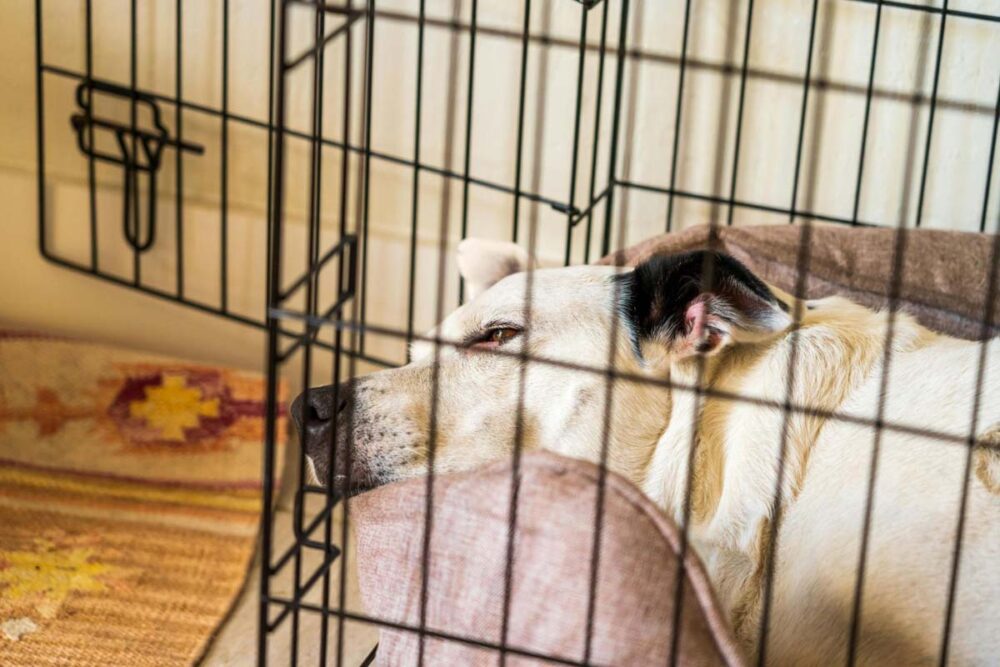
The Crate Wizard: Why Crates Can Be a Game-Changer for Your Adolescent Dog or Puppy
Crate training tends to spark a lot of debate. In some countries, crates are completely banned. In others, they’re a common part of raising a puppy.
Personally? I’ve found crates to be an incredibly helpful tool, not just for training, but for creating a sense of calm and security. When introduced properly, a crate becomes so much more than a box. It becomes your dog’s personal retreat.
Let’s walk through how to use a crate effectively and humanely from day one whether you’re introducing your puppy to it for the first time or your older dog, the method stays the same.
Why Crate Training Works (When Done Right)
1. Toilet Training Support
Dogs naturally avoid toileting where they sleep. A crate helps reinforce this. If your puppy is having accidents inside, it’s usually because:
- The crate is too large, try using a divider to create a snug sleeping space.
- Your puppy has been left too long and their little bladder just couldn’t wait.
2. A Safe, Calming Space
A crate gives your dog a designated spot to relax, nap, or just take a break from a busy household. In multi-dog homes, it also provides a much-needed escape hatch when things get a bit too lively.
3. Vet Visits & Recovery
At some point, your dog may need to stay at the vet and they’ll likely be crated during recovery. A dog who’s already crate-comfortable will handle this experience with far less stress.
4. Safer Travel
Once your dog sees their crate as a safe space, it becomes a great travel tool. Place the crate in the car, start with short rides, and build up to longer journeys. No seatbelt struggles, just a calm, secure pup.
5. Crate Training means Easier Overnights
Going to visit family? Staying in a hotel or new home? A familiar crate helps your dog settle in a new environment. It smells like home and signals rest.
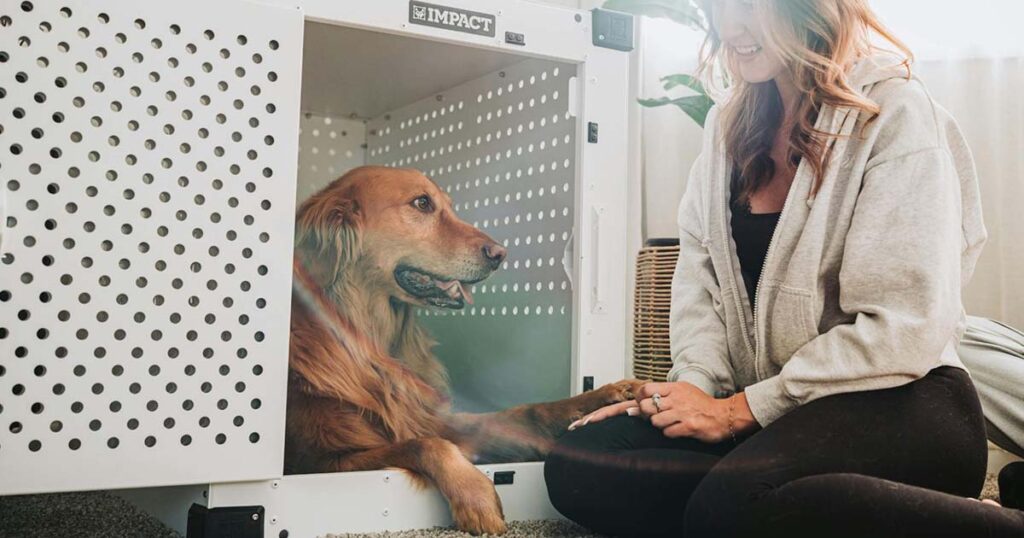
Crate Training: How to Help Your Dog Love Their Crate
Crate training should always be introduced gradually. Here’s a step-by-step way to make it a positive experience:
Step 1: Place the Crate in a Common Area
Keep the crate somewhere your dog can see and hear everyday life not in a distant room. Being isolated can lead to anxiety, especially for young puppies.
Step 2: Feed in or Near the Crate
Start by tossing bits of food near the entrance. Gradually throw pieces further inside. Let your dog explore it at their own pace. Eventually, feed full meals inside the crate.
Step 3: Pair It With Positive Things
- Give chews, lickimats, or stuffed Kongs inside the crate.
- Sit near your dog at first so they don’t feel alone.
- Keep the door open until they’re choosing to go in on their own.
Step 4: Crate Training Games & Building Calm
Once your dog is going in happily:
- Close the door briefly while they enjoy a chew or treat.
- Deliver treats slowly through the bars to encourage them to lie down.
- Over time, this builds calmness and positive association.
Step 5: Let “The Crate Wizard” Visit
Between crate sessions, place surprise treats inside when your dog isn’t looking. Let them discover a “magical” reward next time they wander in. It’s a simple way to keep things fun and unexpected.
Step 6: Allow Choice
When your dog seems tired, place the crate nearby and leave the door open. If they walk in and lie down on their own, that’s your cue — it’s becoming their space
The Important Do’s and Don’ts of Crate Training
Do:
- Take your time.
- Use food and toys to create positive associations.
- Try soft music or a blanket over the crate if your puppy is struggling to settle.
- Be nearby in the beginning to help them feel safe.
Don’t:
- Rush it, pushing too quickly can undo progress.
- Let whining lead to release unless your dog is in real distress.
- Use the crate for punishment — time-outs belong elsewhere.
- Crate your dog if they’re panicking. Wait for calm, then try again later.
Bonus Game: “How Good Is the Crate?”
Once your dog is starting to enjoy their crate, try this:
- Ask them to go in, reward them when inside.
- Use a release cue (like OK or Break) and toss a treat outside.
- Wait. See if they go back in without being asked.
If they do, great! That means they’re starting to see the crate as a place where good things happen. If not, no worries, just keep building positive experiences with your crate training.
Final Thoughts on Crate Training
Crates aren’t for everyone, and that’s okay. But when used kindly and consistently, they can be one of the most useful tools in your training toolkit. Not a cage, not a punishment, just a den. A space that belongs to your dog, where they can rest, reset, and feel secure.
Need help getting started or troubleshooting crate anxiety? Get in touch I’m always happy to help you and your dog take those first steps, one paw at a time.
and what to do with your crate once you dog no longer needs it?
Have a look for your nearest Dogs Trust Donation Centre here
Looking for help with Crate Training?
For guidance on crate training or on any aspects of dog or puppy training get in touch with Lisa at Nimbus Dogs.
