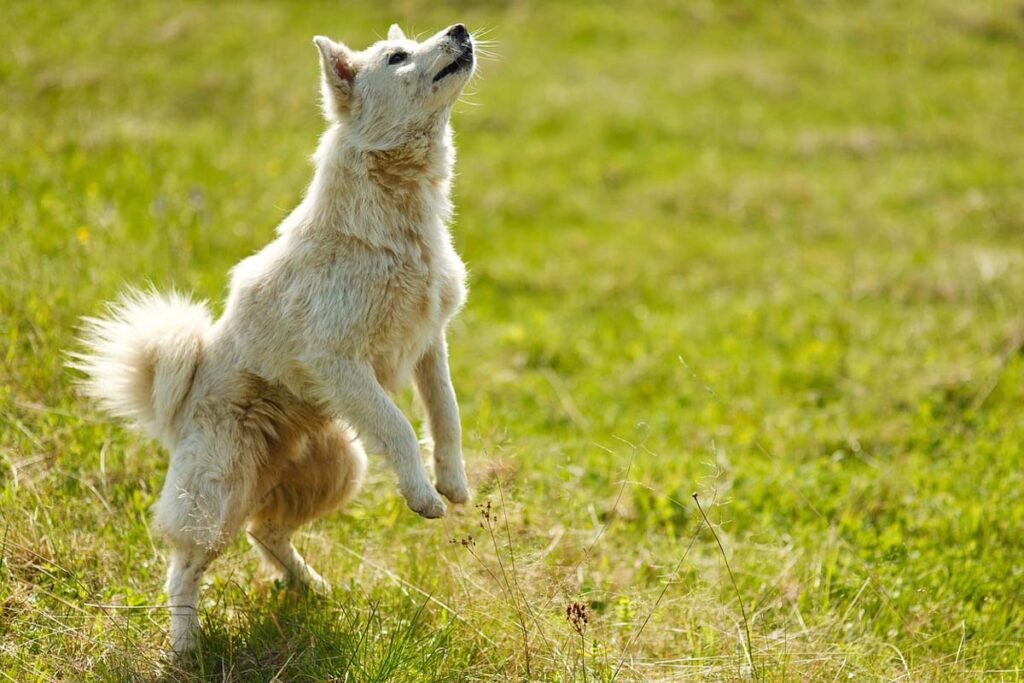
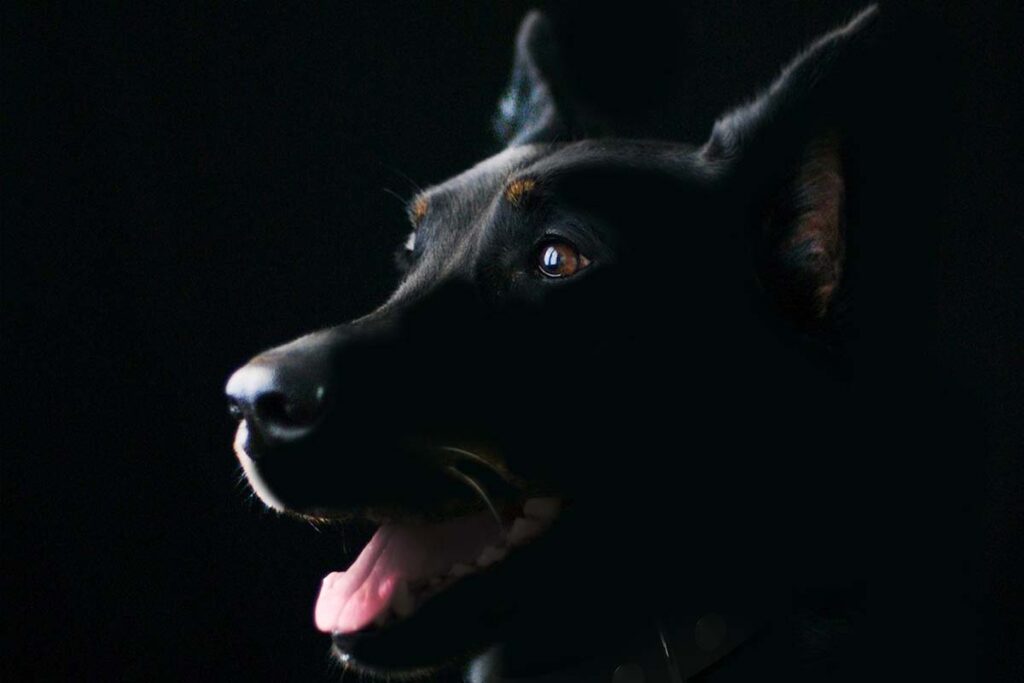
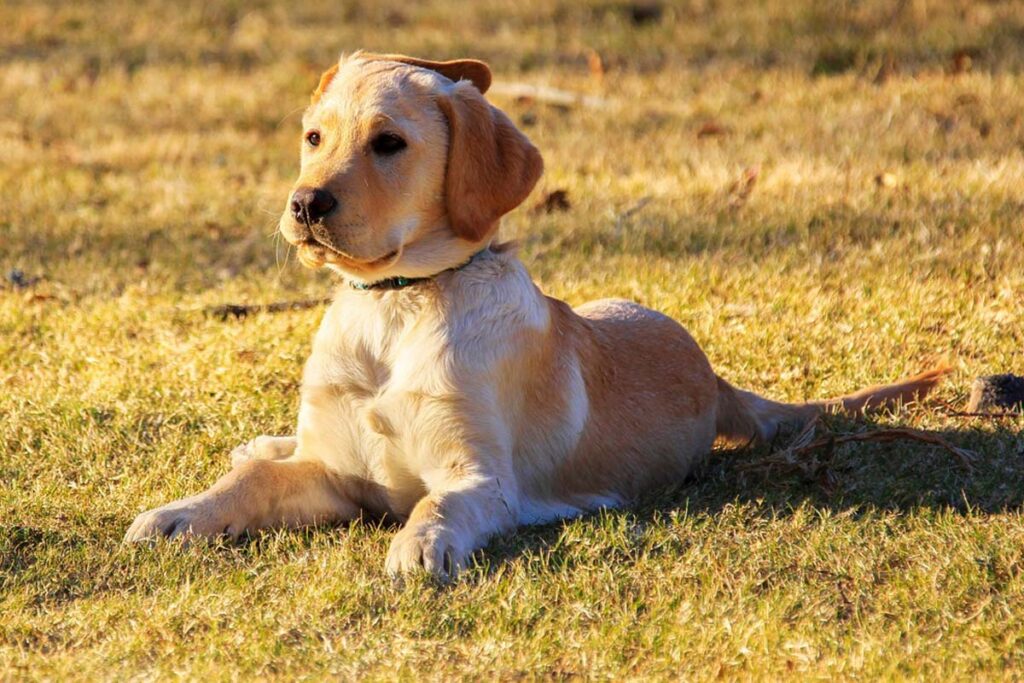
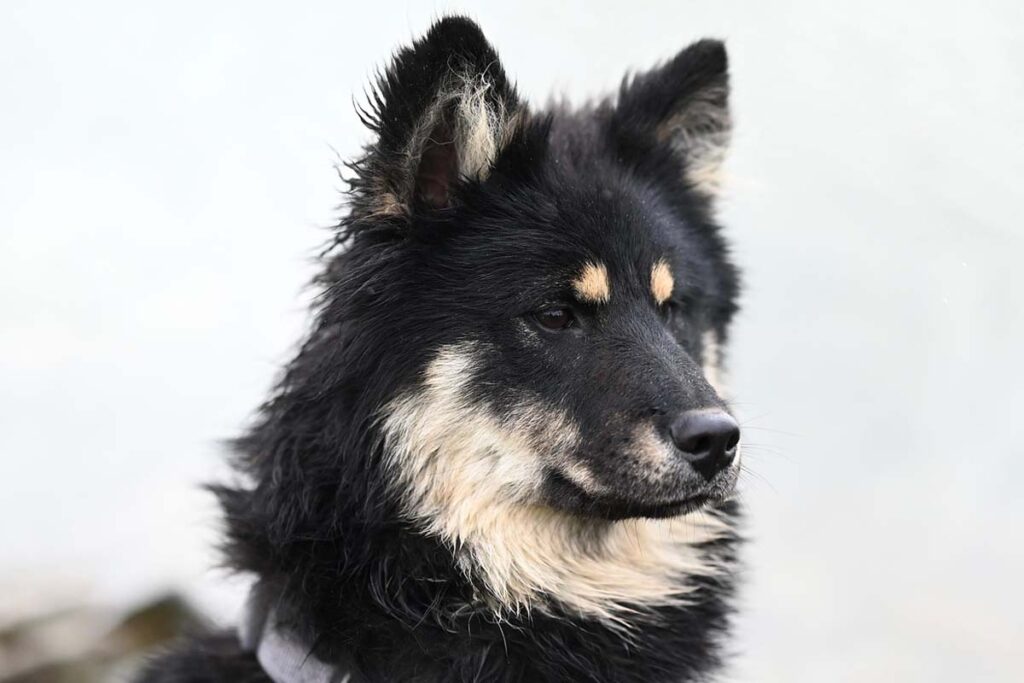
Looking for help during Dog Adolescence?
This can be a difficult development stage for puppy / dog owners for specific training get in touch with Lisa at Nimbus Dogs.


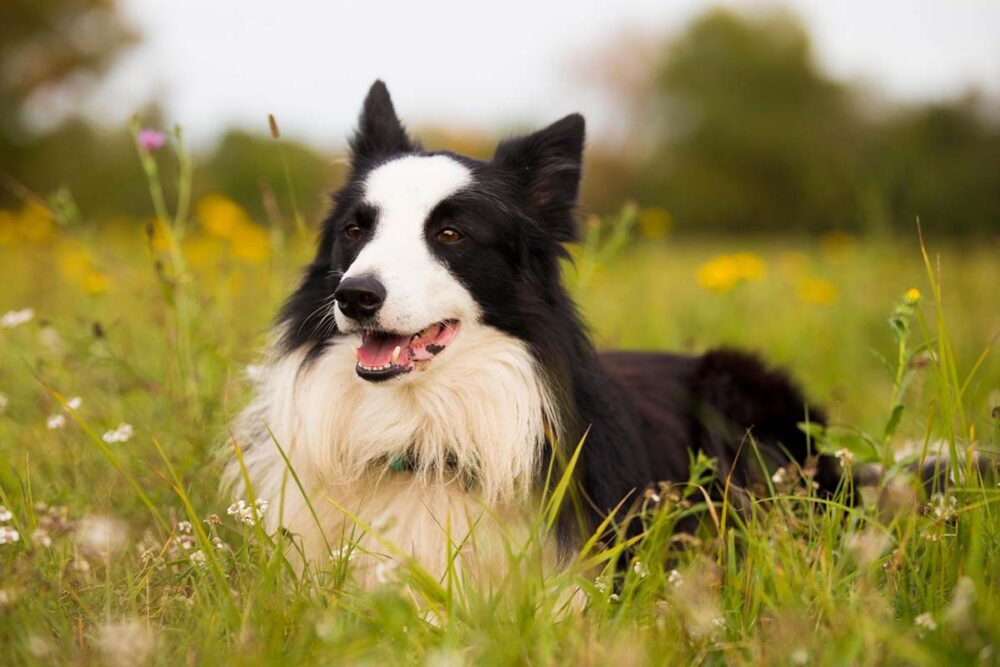
Have you ever called your adolescent dog, only to be met with a blank stare as they trot off in the opposite direction? You’re not alone. Many owners feel frustrated when their once-responsive puppy suddenly seems to lose all their training. But before you blame stubbornness, it helps to understand what’s going on inside your dog’s brain and body during adolescence.
Adolescent dog development usually starts around 6 months and can last up to 18-24 months, depending on breed and individual development. Think of it as their teenage phase. Smaller breeds tend to mature faster, while larger breeds take longer to reach emotional and behavioural maturity.
As sexual maturity begins, hormones like testosterone (in both male and female dogs) spike. These hormonal changes can lead to increased confidence, risk-taking, territorial behaviours, and even selective hearing – yes, just like human teenagers.
Many adolescent dogs go through a secondary fear period, often between 6-14 months. Things they were fine with as puppies can suddenly become scary. This heightened emotional reactivity can impact recall if your dog is spooked or overwhelmed by something in the environment.
During adolescence, your dog’s brain is pruning old neural pathways and strengthening new ones. Their prefrontal cortex (responsible for decision-making, impulse control, and focus) is still developing. Meanwhile, their amygdala (emotional centre) is fully active, which is why they react more strongly to exciting or scary stimuli.
Your teenage dog is starting to test boundaries. That beautiful bond you built during puppyhood is still there, but their drive to explore the world becomes stronger. Their genetics play a role too; breeds bred for independent work (like hounds, shepherds, terriers) often become noticeably more ‘selective’ in this phase.
Essentially, your dog’s priorities are shifting. At 4 months old, coming back to you was easy because you were their whole world. At 8 or 10 months, the world itself is calling to them. Squirrels, scents, moving objects, other dogs – everything is interesting and distracting. Combine that with a brain that is under construction, and it’s no wonder they struggle to focus.
It’s not that your dog is ignoring you out of spite. Their developing brain makes it genuinely harder for them to filter distractions and remember what you’re asking. Impulse control is still immature. Expecting a teenage dog to have the same reliability as an adult is a bit like expecting a 13-year-old child to sit quietly in a chair at a wedding for two hours without fidgeting. Possible, perhaps, but certainly not fair without plenty of preparation and support.
If you know your dog is likely to bolt after deer or other dogs, use a long line to keep them safe while you continue recall training.
Play games that make coming back to you more exciting than the distractions around them. Movement-based games, chase recalls, and jackpot rewards can all help.
Recall is about choice. If you punish your dog for coming back late, they’re less likely to come back at all next time. Always reward them for returning, even if it wasn’t perfect.
Dog adolescence is the time to double down on connection-based training. Spend quality time together, play interactive games, and continue to reward check-ins and engagement on walks.
This phase does pass. Your teenage dog is not broken – they’re simply growing up. Training through this stage with kindness and consistency will set them up for a lifetime of reliability.
Your dog isn’t forgetting their recall on purpose. Their hormones, emotional reactivity, and developing brain are all colliding, making focus and impulse control difficult. Supporting them through this stage with realistic expectations, consistent training, and lots of patience will pay off in the long run.
Join my upcoming Recall Workshop designed specifically for teenage dogs. We’ll teach you how to make recall fun, reliable, and effective, even when your dog’s brain feels like it’s in full teenage chaos mode.
This can be a difficult development stage for puppy / dog owners for specific training get in touch with Lisa at Nimbus Dogs.

We use cookies both to train dogs and to improve your experience on our site. By using our site, you consent to cookies.
Websites store cookies to enhance functionality and personalise your experience. You can manage your preferences, but blocking some cookies may impact site performance and services.
Essential cookies enable basic functions and are necessary for the proper function of the website.
Google Tag Manager simplifies the management of marketing tags on your website without code changes.
Stripe is a payment processing platform that enables businesses to accept online payments securely and efficiently.
Service URL: stripe.com (opens in a new window)
Statistics cookies collect information anonymously. This information helps us understand how visitors use our website.
Google Analytics is a powerful tool that tracks and analyzes website traffic for informed marketing decisions.
Service URL: policies.google.com (opens in a new window)
You can find more information in our Privacy & Cookie Policy and .