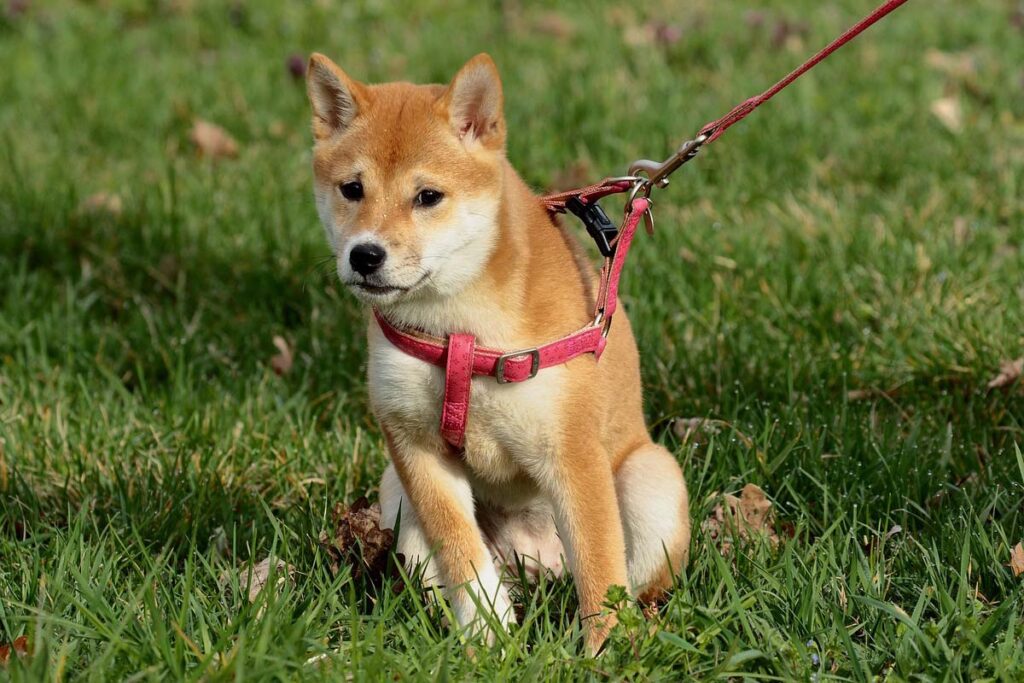
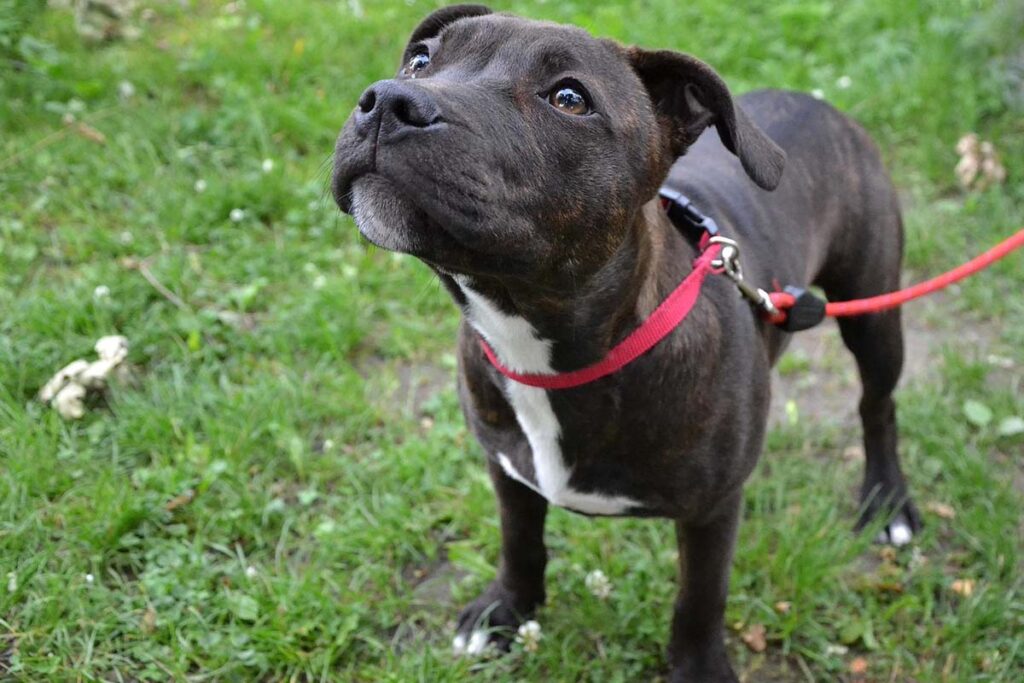
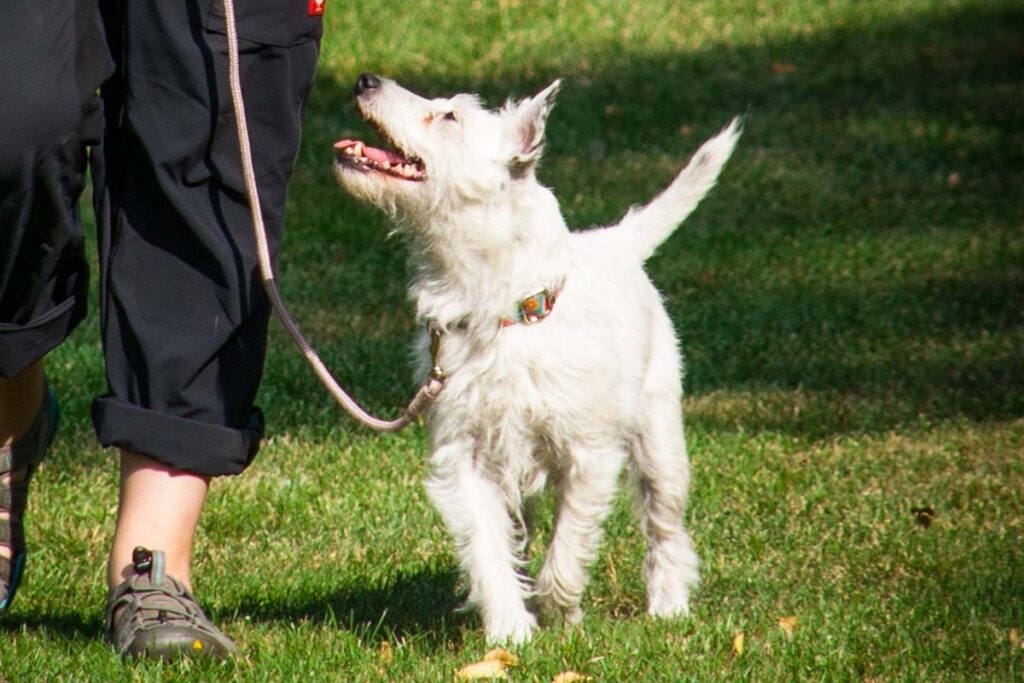
Need tailored help for your pulling adolescent?
Our loose lead walking workshops and private sessions are designed specifically for high-energy teenage dogs to build focus, engagement, and safer, happier walks for both ends of the lead.



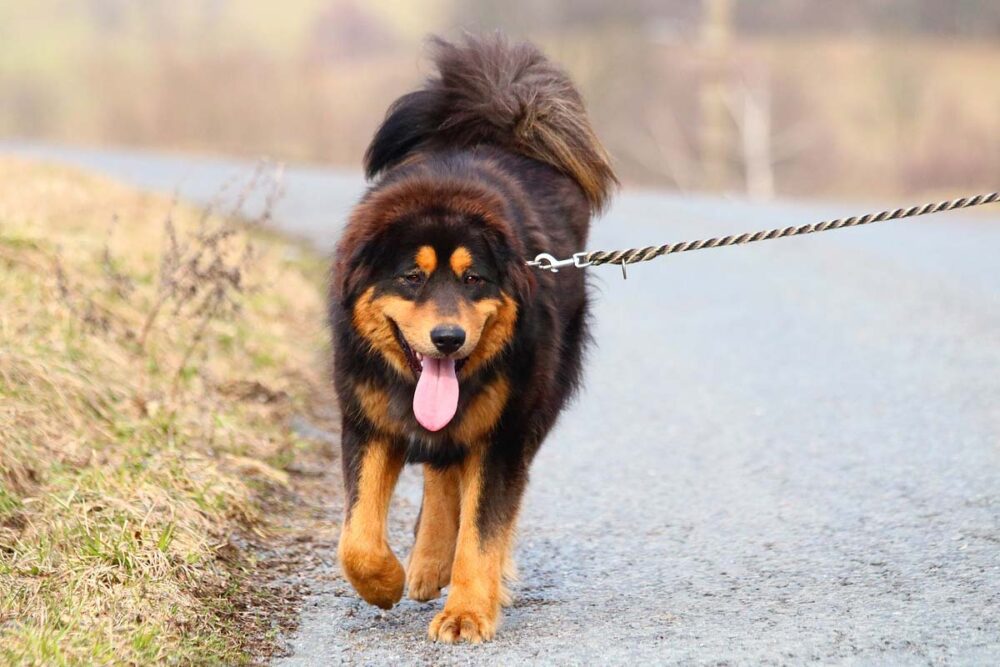
Loose lead walking an adolescent dog can sometimes feel like flying a kite in a hurricane. Suddenly your sweet puppy has grown into a powerful, determined teenager with one goal – getting there as fast as possible.
Calmly walking with your dog is one of the most common struggles for owners of adolescent dogs. Here are practical, realistic tips to help you regain control and make walks enjoyable again
During adolescence (around 6–18 months depending on breed), dogs:
Understanding that pulling is developmentally normal (not your failure) can ease your frustration and keep your training consistent and calm.
Too often, we reward when the dog is already pulling by letting them move forward. Instead:
If your dog pulls ahead:
Before moving forward:
This teaches your dog that polite walking makes the walk continue.
While no harness or head collar trains loose lead walking alone, the right equipment can help:
Loose lead walking is mentally exhausting for dogs. Practise in:
Then gradually build up to busier or more exciting areas.
Pulling often happens because dogs want to explore. Use this:
Your dog isn’t being “naughty” – their brain is under construction. Stay calm, keep sessions fun, and avoid long frustrating walks where neither of you is learning.
If you’re feeling overwhelmed, or your dog is large and strong enough to risk injury, professional guidance can make all the difference. Structured classes or one-to-one training can provide personalised feedback and accelerate progress safely.
Loose lead walking is a skill that takes time, especially with adolescent dogs. Celebrate small wins, stay consistent, and remember – your calm, patient training now will pay off in the years to come.
Our loose lead walking workshops and private sessions are designed specifically for high-energy teenage dogs to build focus, engagement, and safer, happier walks for both ends of the lead.

We use cookies both to train dogs and to improve your experience on our site. By using our site, you consent to cookies.
Websites store cookies to enhance functionality and personalise your experience. You can manage your preferences, but blocking some cookies may impact site performance and services.
Essential cookies enable basic functions and are necessary for the proper function of the website.
Google Tag Manager simplifies the management of marketing tags on your website without code changes.
Stripe is a payment processing platform that enables businesses to accept online payments securely and efficiently.
Service URL: stripe.com (opens in a new window)
Statistics cookies collect information anonymously. This information helps us understand how visitors use our website.
Google Analytics is a powerful tool that tracks and analyzes website traffic for informed marketing decisions.
Service URL: policies.google.com (opens in a new window)
You can find more information in our Privacy & Cookie Policy and .