
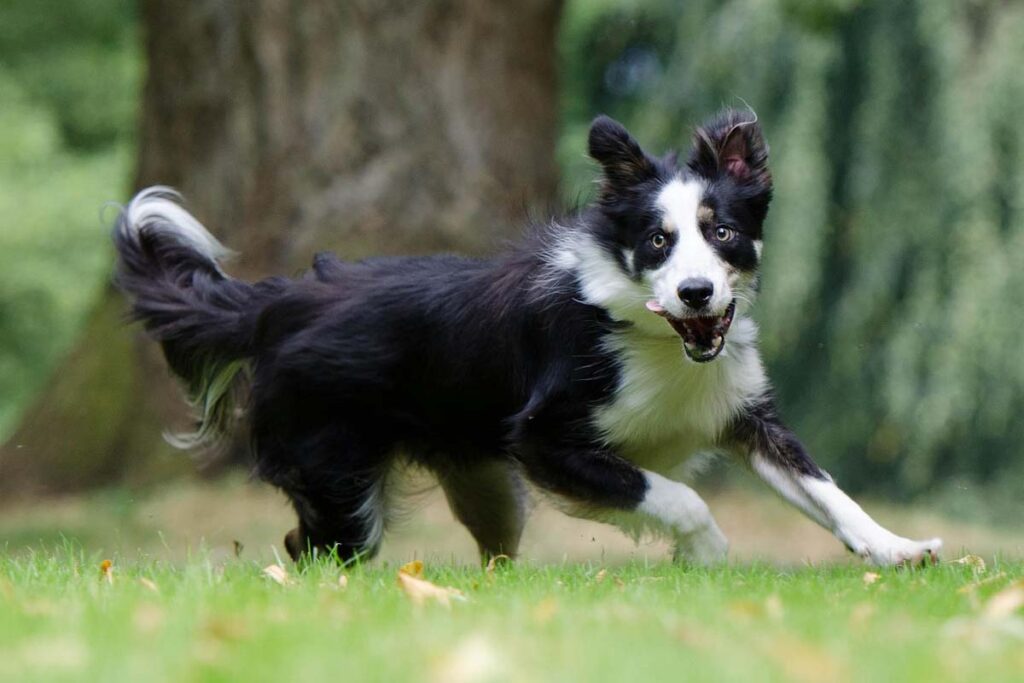
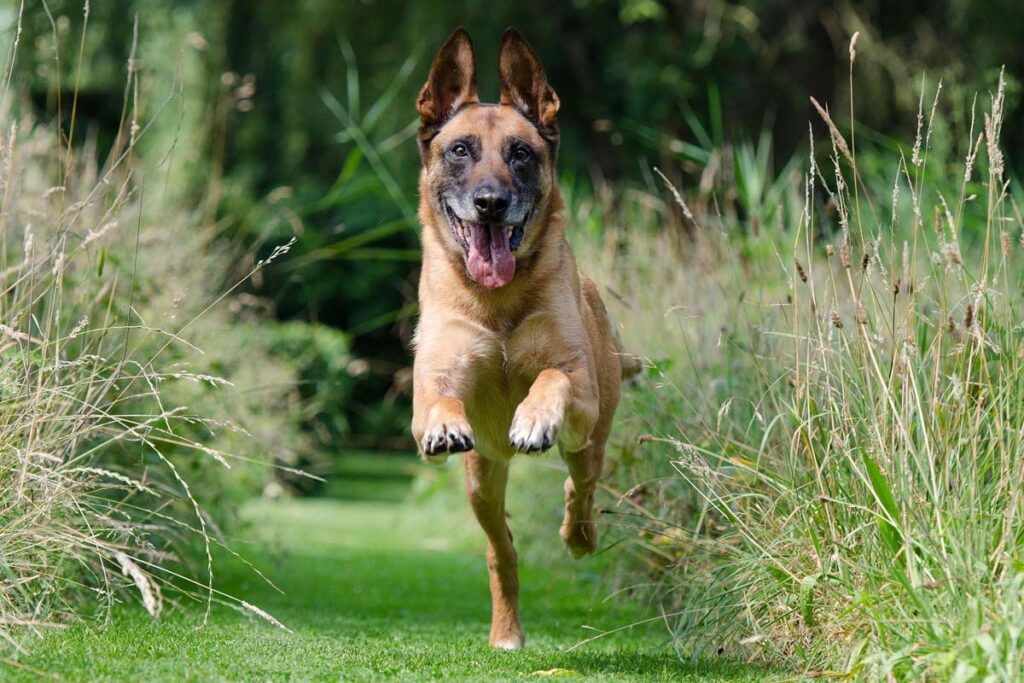
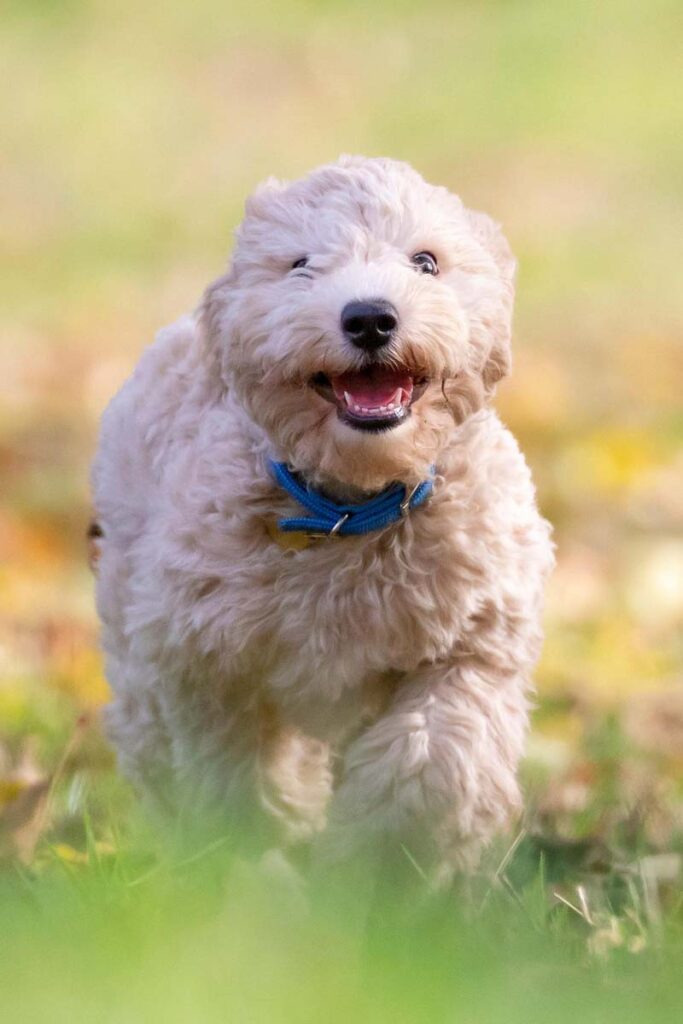
Looking for help with Recall Training for your dog?
We have a couple of dog training workshops running this September. Click the button to find out more






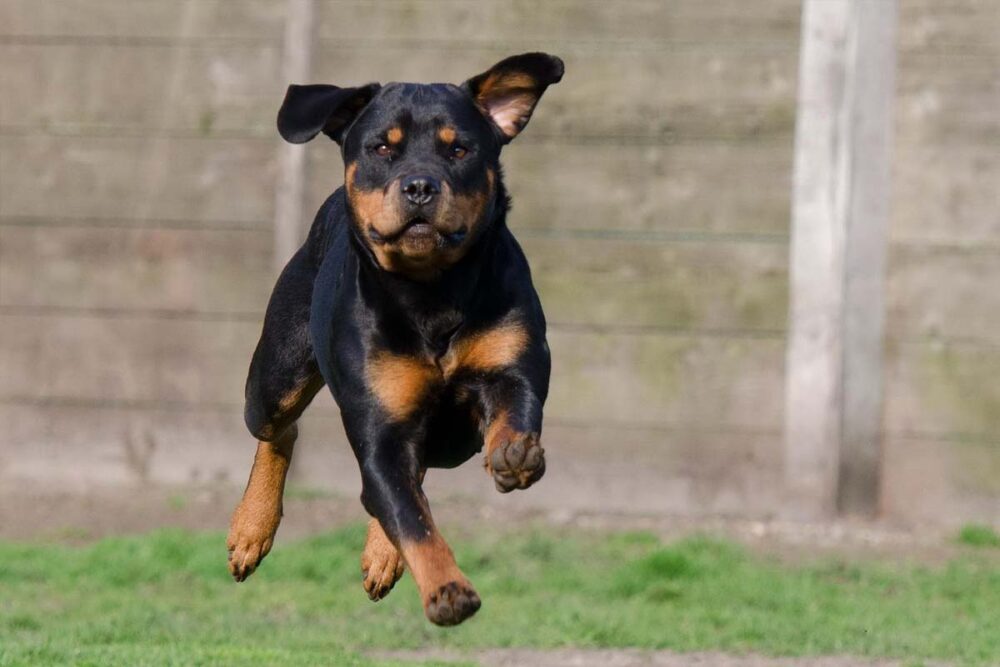
If you’ve ever raised a puppy, you’ll know that around the age of 5-6 months, things start to… shift. Your sweet, responsive puppy suddenly seems to develop selective hearing. You call them, and they glance back with a look that says, “Yeah… I heard you, but… I’m busy right now.” Welcome to adolescence.
Adolescence in dogs typically happens between 6 and 18 months, depending on breed and individual development. It’s a time when hormones are surging, brains are rewiring, and suddenly your young dog’s priorities shift from sticking close to you to exploring the world with reckless abandon. This is exactly why recall training during adolescence is so crucial.
First, it’s important to understand that your adolescent dog isn’t ignoring you out of spite or stubbornness. Their brain is under construction. This period is a lot like the teenage years in humans, they’re easily distracted, impulsive, and their desire to socialise and explore is at an all-time high. Their recall might have been great as a puppy, but now they’re testing boundaries, building independence, and experiencing the world in a whole new way.
This is why many trainers say “don’t rely on puppy recall to get you through adolescence.” Puppy recall is often driven by a natural attachment to their caregiver. Once adolescence hits, they’re more confident to move away and investigate. Without dedicated training to build motivation to come back, recall tends to fall apart during this stage
At its core, recall is about safety. An adolescent dog with poor recall is at risk of running into roads, approaching unfriendly dogs, chasing wildlife, or disappearing out of sight. Even if your dog has never shown an interest in chasing squirrels or running after deer, adolescence can bring new behaviours and temptations. Their world has suddenly expanded, and they want to experience every part of it. If your dog’s recall isn’t strong, you lose your ability to keep them safe in these unpredictable situations.
A strong recall isn’t just about safety; it’s also about your relationship. Dogs who are frequently called and then put straight back on the lead often learn that coming back ends their fun. This makes recall feel punishing, and soon they’ll start avoiding it altogether. Training recall with positive reinforcement helps your dog see you as the best thing in their world, even when there are other exciting options around.
During adolescence, this is more important than ever. It’s easy to fall into a cycle of frustration, where your dog ignores you, you get angry or anxious, and your relationship becomes strained. Investing time in recall training helps keep your bond strong. Your dog learns that coming back to you doesn’t mean the end of fun – it means rewards, games, praise, and sometimes… even more freedom.
We all want to give our dogs off-lead freedom where possible. It’s an essential part of a fulfilled life for most dogs, to sniff, explore, and run. But that freedom comes with responsibility. A reliable recall is what allows your dog to enjoy off-lead time safely and appropriately.
For adolescent dogs, whose bodies are growing and energy levels are sky-high, having off-lead time is crucial for their physical and mental wellbeing. But without recall training, walks can become stressful or dangerous, leading many owners to keep their dogs on lead long-term, which often results in frustration and behavioural issues down the line.
Training recall with an adolescent dog isn’t impossible, but it does take consistency and patience. Here are some essentials:
Stay calm. Even if your dog ignores you, avoid shouting or chasing them. Make yourself more interesting instead, run the other way, make silly noises, or drop to the floor and call them excitedly.
Adolescent recall training isn’t just another behaviour to tick off the list – it’s a critical skill that keeps your dog safe, nurtures your relationship, and sets them up for a life of freedom and confidence. Remember, adolescence is temporary, but the habits you build during this period can last a lifetime. Be patient, stay positive, and keep training fun. Your future walks will thank you for it.
If you’re feeling like your dog’s ears have suddenly switched off and you need some extra support, why not join my upcoming recall workshop? We’ll turn that selective hearing into reliable listening – and make it fun for both of you. Check out the details and come train with us.
We have a couple of dog training workshops running this September. Click the button to find out more

We use cookies both to train dogs and to improve your experience on our site. By using our site, you consent to cookies.
Websites store cookies to enhance functionality and personalise your experience. You can manage your preferences, but blocking some cookies may impact site performance and services.
Essential cookies enable basic functions and are necessary for the proper function of the website.
Google Tag Manager simplifies the management of marketing tags on your website without code changes.
Stripe is a payment processing platform that enables businesses to accept online payments securely and efficiently.
Service URL: stripe.com (opens in a new window)
Statistics cookies collect information anonymously. This information helps us understand how visitors use our website.
Google Analytics is a powerful tool that tracks and analyzes website traffic for informed marketing decisions.
Service URL: policies.google.com (opens in a new window)
You can find more information in our Privacy & Cookie Policy and .