


A Real-Life Guide for Dog Parents
(aka “What happened to my sweet little puppy?”)
So…your teenage dog is suddenly ignoring you. Or maybe they’ve started barking at things they never cared about before. They’ve got energy for days, and you’re wondering if something went wrong along the way.
If that sounds familiar, you’re probably in the thick of adolescence, the teenage dog phase. And if it helps: no, you’re not the only one. Also….this isn’t your fault.
Adolescence is messy. It shows up somewhere between 6 months and 2 years old (depending on breed and size), and for a while, it can feel like everything’s coming undone. That calm, curious puppy? Gone. Replaced with a chaotic, leggy teenager who acts like they’ve forgotten everything you ever taught them.
It’s… a lot. But it’s also completely normal.
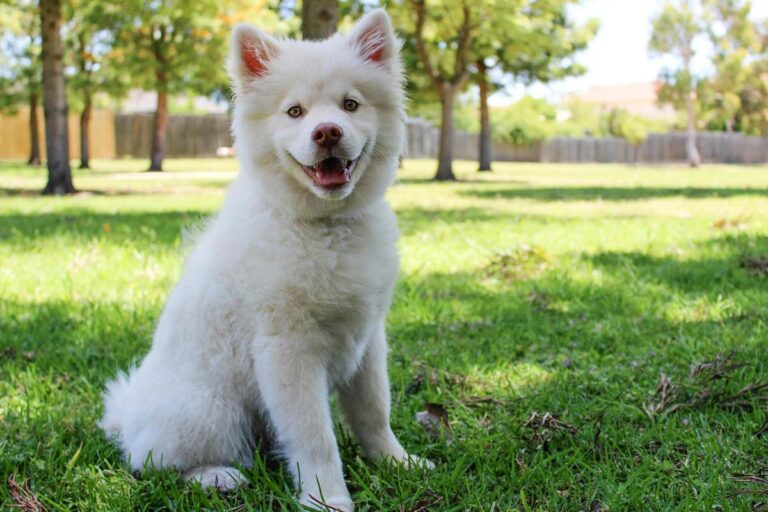
What to expect with a teenage dog
1. Your Dog Might “Forget” Their Training
You say “sit”, they look at you like you’re speaking Latin. “Come” suddenly works 30% of the time, and only when they feel like it. It’s frustrating. Especially if they used to be reliable.
What’s happening here isn’t that your dog is stubborn or “being bad.” Their brain is still developing, and impulse control? Not exactly their strong suit right now. It’s like they hear you, but the part of their brain that decides what to do with that information is on a coffee break.
Try not to take it personally. Just go back to basics. Practice in quiet spaces. Use the good treats and lots of them! Praise more than feels necessary.
You’re not starting over, you’re reinforcing what they already know, in a new phase of their life.
2. The Energy Spike Is Real
Some days it might feel like your dog never tires out. You walk them, play fetch, maybe even do a bit of training and yet somehow, they’re still bouncing around the house. Or chewing the remote. Or digging holes in the garden that weren’t there yesterday.
This age comes with a ton of physical energy, but also mental restlessness. It’s not just about running them into the ground (which doesn’t really work, anyway). They need things to figure out. Problems to solve. Tasks that make them think a little.
Things like sniffy walks, food puzzles, scatter feeds, tearing up those amazon boxes or teaching silly tricks, these help more than you might expect.
Honestly, sometimes ten minutes of scent work does more good than an hour at the park.
3. New (and Weird) Teenage Dog Behaviours Might Appear
You might notice them barking at strangers, flinching at things they used to ignore, or reacting more strongly around other dogs. It can feel sudden. And random.
Often, this is just a fear period. A developmental stage where their perception of the world gets a little wobbly. The tree stump? Suspicious now. That man in a hat? Also a potential threat.
It’s not regression, it’s growth, just in a weird and inconvenient form.
What helps is being their calm spot. Don’t force interactions. Let them observe, retreat, and come back when they’re ready. Support without smothering.
It can be unnerving to see, but it usually passes. Often quicker than you’d expect, though not always. Sometimes it lingers and needs a bit more help. Either way, you’re not overreacting by noticing it.
4. Selective Hearing Kicks In
The teenage dog phase is when you realise how many ways your dog can ignore you. Especially outside. You might as well be invisible the moment a squirrel or an interesting smell appears.
And you know they heard you.
This is where a long line becomes your best friend. Don’t underestimate the power of a long line and there being a consequence for not listening that is useful.
Recall games at home help. So does becoming more rewarding than whatever’s distracting them. It’s not easy. But it’s doable, with time and lots of practise.
(And if you get ignored completely? Try not to get mad. It feels personal, but it really isn’t.)
5. Puppy Behaviours You Thought Were Gone… Might Come Back
Chewing. Jumping. Barking for attention. All the stuff you thought you were past? It might resurface. Just for fun, apparently.
But really, it’s not so much “bad habits coming back” as it is your dog testing what still works. Like, “Will jumping get me attention now?” or “What happens if I steal this sock?”
It’s not rebellion. It’s curiosity paired with limited self-control.
Set boundaries, like you did before. Use management tools like gates, tethers, crates, and hiding the shoes. And keep rewarding calm behaviors when you see them, even if it’s just two seconds of chill.
6. You Might Feel Like You’re Failing your Teenage Dog
This part matters too. Because it’s really common to feel defeated during adolescence.
You start to question things. Was my training solid enough? Am I too inconsistent? Is something wrong with my dog?
Honestly, probably not. Most of the time, it’s just the stage. Your dog’s not broken. Neither are you.
It’s okay to be frustrated. You’re allowed to say it’s hard. That doesn’t mean you’re giving up, it just means you’re normal.
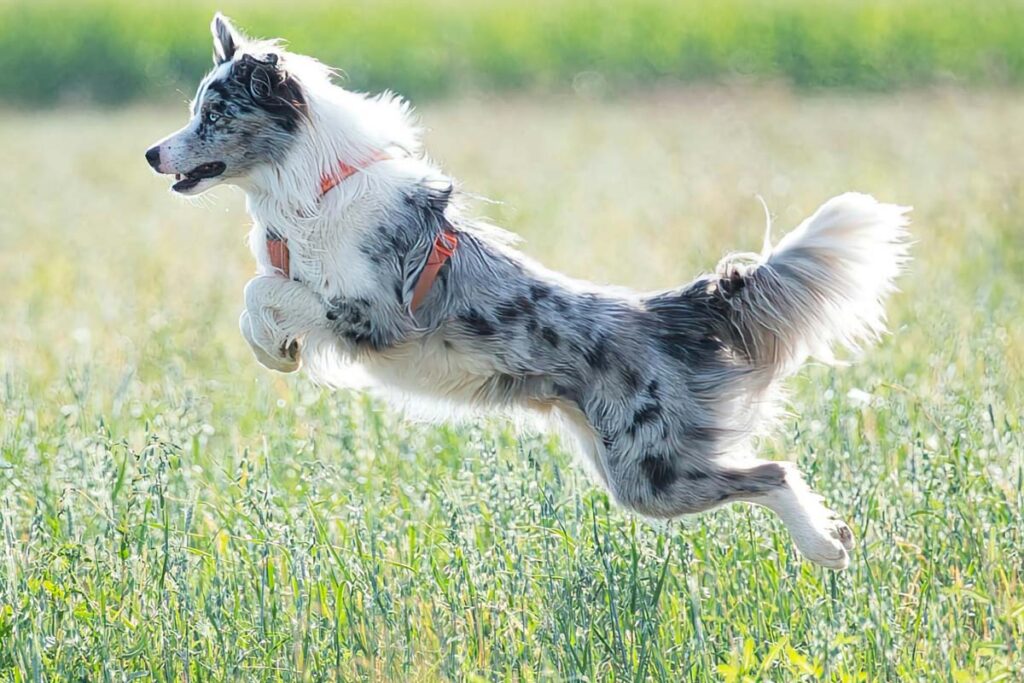
So What Do You Do with a Teenage Dog?
Keep going. Even when it’s frustrating. Especially then.
Stick with your training. Reinforce the behaviours you want, every time you can. Give them structure, but also freedom to make good choices. Let them make mistakes (safely), and help them learn from it.
Celebrate the little wins. You called them and they came? Brilliant. They walked past another dog without lunging? Amazing. Those are real moments of progress, even if the big picture still feels messy.
And if you need help, ask. That’s what I’m here for.
This stage doesn’t last forever. Truly. But how you handle it does shape the dog they become. It’s worth the effort, even when it doesn’t feel like it yet.
You’ve got this.
Looking for help with your Teenage Dog?
Let's have a chat to see what training would suit the issues you're experiencing.
You can also take a look at our Focus and Recall Workshops and Teenage Dog Training Classes
Want to read more about a dog adolescence study by Edinburgh, Newcastle and Nottingham Universities? Click here for the BBC Newsbeat article.
